

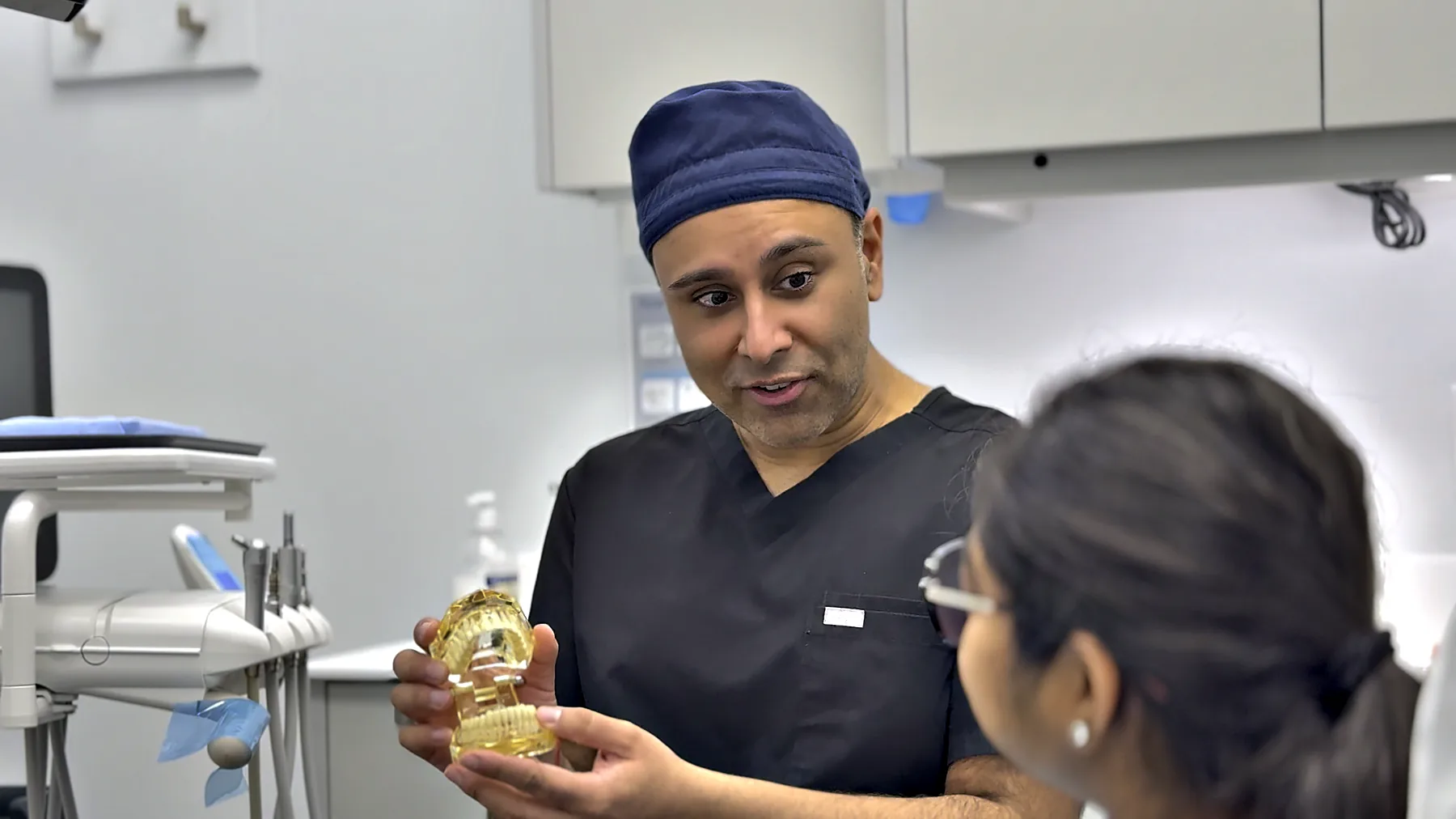
Home/TMJ, Bruxism and Sleep Apnea
Jaw and sleep appliances
TMJ, Bruxism and Sleep Apnea Appliances in Woodstock
Custom-made oral appliances can protect the teeth from grinding, reduce strain on the jaw and, for some patients, help manage snoring and sleep apnea.
Oral Appliances at Vansittart Dental
Oral appliances are custom-made devices worn over the teeth, either during sleep or during the day. Depending on the type, an appliance may protect the teeth from grinding, reduce strain on the jaw or help keep the airway open during sleep.
Each appliance is made to fit the patient's own bite and is adjusted at the fitting appointment. The following appliances are available:
- Night guards
- Worn during sleep to protect the teeth from grinding and clenching.
- Day guards
- Worn during the day by patients who clench or grind their teeth while awake.
- Bruxism and TMJ appliances
- Used to protect the teeth and help reduce strain on the jaw joints and muscles.
- Sleep apnea appliances
- Worn during sleep to hold the lower jaw slightly forward and help keep the airway open.
Bruxism and TMJ Appliances
Bruxism is the clenching or grinding of the teeth, which often occurs during sleep and may go unnoticed. Over time, grinding can wear the teeth and strain the jaw muscles and the temporomandibular joints (TMJ), which connect the lower jaw to the skull.
A bruxism or TMJ appliance is a custom-made guard that protects the teeth and may help reduce strain on the jaw.
Patients who may benefit from a bruxism or TMJ appliance include those with:
- A sore, tight or tired jaw on waking
- Morning headaches around the temples
- Teeth that appear worn, flattened or chipped
- Jaw clicking, locking or aching, particularly when chewing
- Grinding noticed by a partner or family member
- Crowns, veneers or large fillings that need protection from grinding
Sleep Apnea Appliances
Obstructive sleep apnea is a condition in which the airway repeatedly narrows or closes during sleep, interrupting breathing. Sleep apnea is diagnosed by a physician, usually with a sleep study.
A sleep apnea appliance is a custom-made mouthpiece worn at night that holds the lower jaw slightly forward to help keep the airway open. For some patients, an appliance may help reduce snoring or manage mild to moderate obstructive sleep apnea.
Patients who may benefit from a sleep apnea appliance include those with:
- Loud or frequent snoring
- Mild to moderate obstructive sleep apnea diagnosed by a physician
- Difficulty using a CPAP (continuous positive airway pressure) machine
What to Expect
Assessment
Symptoms are discussed, and the teeth, bite, jaw joints and jaw muscles are examined.
Record of the teeth
A record of the teeth is taken so the appliance can be custom-made to fit the patient's bite.
Fitting and adjustment
The appliance is fitted, checked against the bite and adjusted until it sits comfortably.
Follow-up
The fit and condition of the appliance are reviewed at follow-up and regular dental visits.
For sleep apnea appliances, follow-up with the patient's physician may also be recommended.
Caring for an Appliance
Appliances are checked for wear and fit at regular dental visits, and may need to be adjusted or replaced over time.
Care recommendations include:
- Rinsing and gently brushing the appliance after each use
- Storing the appliance in its case when it is not being worn
- Keeping the appliance away from hot water and direct heat
- Bringing the appliance to regular dental visits
- Contacting our office if the fit changes or the appliance is damaged
Custom and Over-the-Counter Guards
Over-the-counter mouth guards are made in standard sizes rather than from a record of the patient's teeth, and may fit loosely.
A custom-made appliance is made to fit the patient's bite and adjusted at the fitting. A dental examination beforehand also allows the cause of jaw discomfort or tooth wear to be assessed.
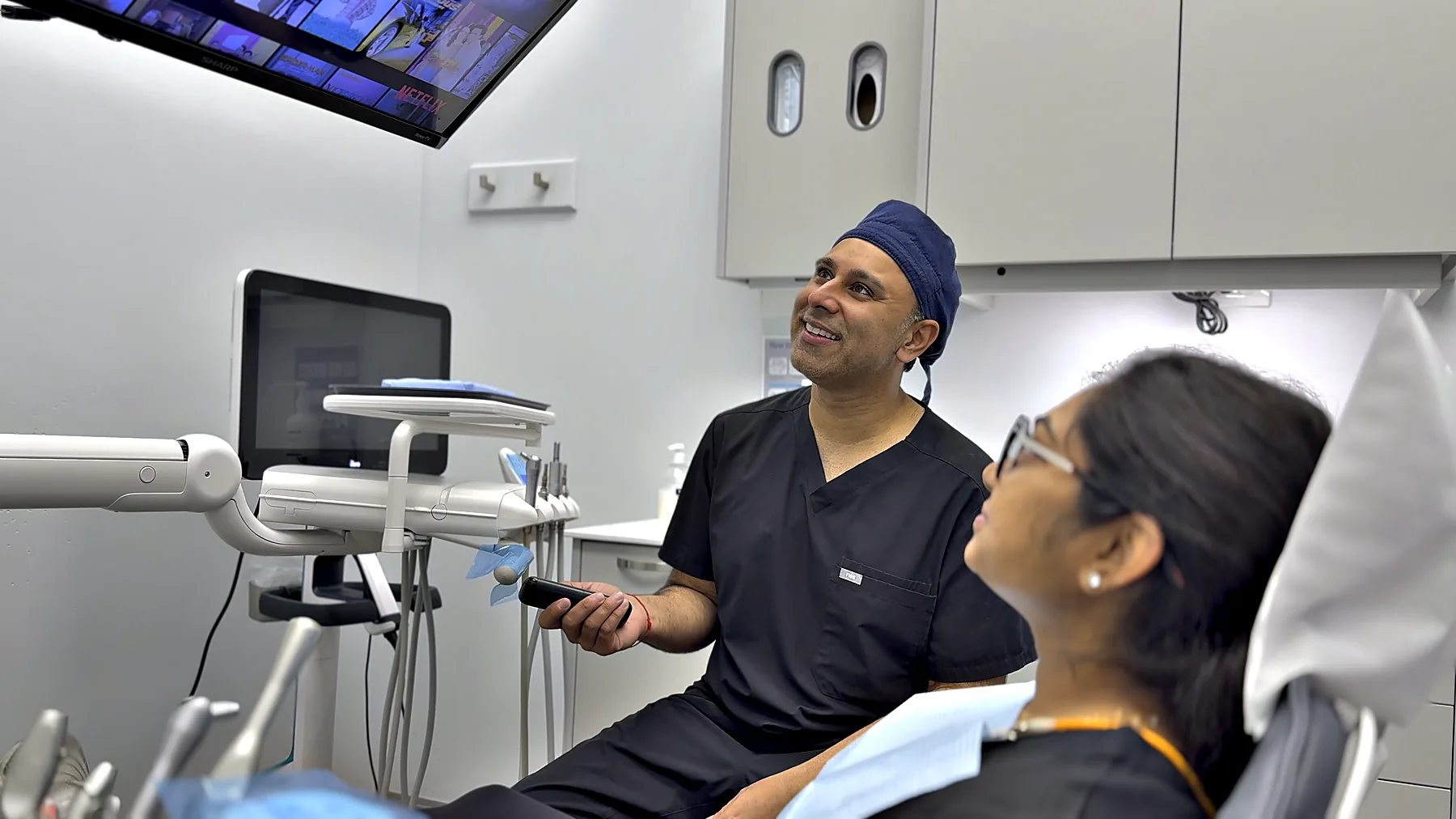
Vansittart Dental, Woodstock
Book a Consultation
Patients experiencing jaw discomfort, teeth grinding or snoring, or who have been diagnosed with sleep apnea, are welcome to book a consultation. The recommended appliance and associated costs are explained before an appliance is made.
Frequently Asked Questions
Answers to common questions about TMJ, bruxism and sleep apnea appliances. For anything not covered here, please contact our office.
How Do I Know If I Grind My Teeth?
Common signs include a sore jaw or headaches on waking, tooth sensitivity, and teeth that appear worn, flattened or chipped. Signs of grinding are often identified during a routine dental examination.
What Is the Difference Between a Night Guard and a Day Guard?
A night guard is worn during sleep to protect the teeth from grinding and clenching. A day guard is worn while awake by patients who clench or grind during the day.
How Does a Custom Guard Differ From a Store-Bought Guard?
A store-bought guard is made in standard sizes and may fit loosely. A custom appliance is made from a record of the patient's teeth and adjusted at the fitting.
Can a Dental Appliance Help With Sleep Apnea?
For some patients with snoring or mild to moderate obstructive sleep apnea, an appliance may help keep the airway open during sleep. Appliances are not suitable for every patient or every form of sleep apnea.
Who Diagnoses Sleep Apnea?
Sleep apnea is diagnosed by a physician, usually with a sleep study. Patients with symptoms such as loud snoring, daytime tiredness or pauses in breathing during sleep are encouraged to speak with their physician.
Is an Appliance Covered by Insurance?
Coverage for oral appliances varies between insurance plans. The cost is explained before an appliance is made so patients can review their plan details.
Related Services
Oral Surgery
In-house surgical care by an oral and maxillofacial surgeon, with sedation options.
Learn moreGeneral and Family
Comprehensive dental care for patients of all ages, provided in one location.
Learn moreCrowns and Bridges
Custom restorations that repair damaged teeth and replace missing teeth.
Learn more